
Sitework Built for Branson's Terrain
Branson isn’t flat ground, and it doesn’t forgive shortcuts. The city sits in the Ozark Mountains between Table Rock Lake and Lake Taneycomo, both formed by dams on the White River, and a large share of its residential and commercial lots are built on real slope rather than a graded plain. Successful sitework in Branson isn’t just about moving dirt—it’s about understanding slope stability, drainage patterns, soil conditions, and how today’s excavation decisions affect the property’s performance for years to come. Ace Grading has spent 40 years working sites across southwest Missouri, including plenty of steep and rocky ground, and we bring that experience to every excavation, grading, or septic job we take on here.
About Branson, Missouri
Known as the “Live Entertainment Capital of the World,” Branson is a resort city of roughly 12,800 year-round residents in Taney County, with a small portion extending into Stone County. It sits about 35 miles south of Springfield and draws millions of visitors annually to its theaters, lakes, and outdoor attractions, which makes it the commercial and tourism hub for a much larger surrounding population of around 80,000. Table Rock Lake, Lake Taneycomo, and Bull Shoals Lake all border the area, and much of the city’s growth over the past two decades — vacation homes, short-term rentals, and commercial development — has pushed construction onto hillside and near-lake lots that require real slope engineering, not standard flatland sitework.
Branson, MO
Taney / Stone County
40 years of experience
Excavation, Grading, and Septic Services for Branson Properties
Excavation
foundation and site digging adapted to hillside and rocky conditions.
Septic Systems
installation and repair suited to sloped and lake-adjacent soil.
Grading
controlling runoff on sloped lots so water moves away from structures, not toward the lake edge uncontrolled.
Retaining Walls
holding back cut slopes on hillside builds.
Drainage Systems
critical on hillside lots where water collects and accelerates fast during a storm.
Rock Breaking
for the shallow bedrock common throughout the Branson area.
Land Clearing & Forestry Mulching
clearing wooded hillside lots for new builds or short-term rental development.
Driveway Installation
graded and built to handle steep approach angles safely.
Culvert Installation
for driveways and access roads crossing natural drainage paths.
Concrete Foundations & Site Development
full ground-up prep for residential and commercial lots on uneven terrain.
Underground Utilities & Utility Easement Clearing
trenching adapted to rock and slope.
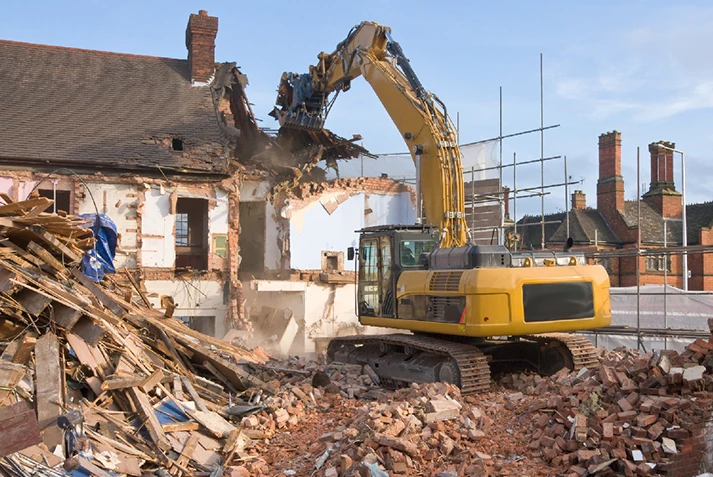
Dirt and Gravel Hauling, Demolition
supporting work for both new builds and site redevelopment.
Hillside and Lake-Adjacent Ground Conditions
Steep slope changes nearly everything about how a project has to be planned — grading and retaining wall work have to control erosion and runoff, not just level a pad. Shallow bedrock is a regular part of excavation work here, which affects both cost and timeline more than it would on flatter ground. Runoff planning near Table Rock Lake and Lake Taneycomo also matters for reasons beyond the property itself, since water quality downstream can be affected by how a hillside lot is graded. And with much of the area’s newer development built for short-term rentals and vacation use, lots often need more grading and drainage work than older, flatter residential neighborhoods.
Why Local Experience Matters on Branson Hillside Projects
Building on Branson’s hillsides requires more than standard excavation equipment—it requires an understanding of how the land naturally behaves. Steep grades affect everything from excavation and driveway placement to drainage and foundation preparation, while shallow limestone bedrock can quickly change the scope of a project if it isn’t identified early. Retaining walls often become an essential part of stabilizing slopes, reducing erosion, and creating usable building areas on uneven terrain.
Properties near Table Rock Lake and Lake Taneycomo also demand careful runoff planning to help control water movement during heavy rains and protect the long-term stability of the site. Construction access is another important consideration, as narrow roads, wooded lots, and sloped entry points can influence equipment selection and project sequencing. Local experience helps identify these challenges before work begins, allowing excavation, grading, and site development to move forward with a plan that’s designed specifically for Branson’s terrain rather than relying on a one-size-fits-all approach.
Why Property Owners and Developers Choose Ace Grading in Branson
Real hillside experience, not flatland habits applied to a slope. We plan retaining walls, cut angles, and drainage specifically for grade
it's a different discipline than standard residential grading.
Awareness of lake-adjacent runoff sensitivity. We plan drainage with downstream water quality in mind, not just where water leaves the property line.
Experience with commercial and rental-development timelines. Short-term rental and hospitality builds often run on tighter schedules, and we plan sitework sequencing accordingly.
40 years in construction, BBB A+ accredited. A track record built across exactly this kind of demanding terrain, not just easier flatland jobs.
What We Evaluate Before Starting an Excavation Project in Branson
Every property is different, especially on Branson’s hillsides and near its lakes. Before excavation begins, we evaluate several site conditions to help reduce delays and avoid costly surprises later in the project.
Slope and Elevation
We assess the property's natural grade to determine the safest approach for excavation, grading, retaining walls, and driveway construction.
Rock and Soil Conditions
Limestone bedrock, shallow soil, and varying ground conditions can affect excavation methods, septic placement, and project timelines.
Drainage and Runoff
Water movement is evaluated to help minimize erosion, protect foundations, and direct runoff away from buildings and nearby lake areas.
Equipment Access
Narrow roads, wooded lots, and steep driveways can influence how equipment reaches the site and how work is sequenced.
Utility Locations
Existing underground utilities are identified before digging begins to improve safety and reduce the risk of unexpected interruptions.
Project Goals and Future Plans
Whether the property is being prepared for a custom home, vacation rental, commercial building, or other development, we tailor the sitework to support the long-term use of the property.

Our Process for Sloped and Lakefront Sites
We start with a site visit focused specifically on slope, rock depth, and drainage path — the three factors that determine whether a hillside lot is straightforward or complicated. From there, you get a plan that accounts for hillside conditions up front, not as a change order once equipment is already on-site. The work itself — grading, excavation, retaining walls, or septic installation — is carried out with equipment suited to the terrain, and we finish with a walkthrough confirming drainage and slope stability before calling the job done.
Frequently Asked Questions
It can be, mainly due to rock breaking and the additional grading or retaining wall work often needed to stabilize slope — we scope that during the site visit so there are no surprises later.
Yes, though slope and soil depth affect system design and placement. We assess this on-site before recommending a system type.
Yes, we regularly handle grading and drainage work on lakefront and near-lake properties, with attention to runoff control.
Yes — we plan sitework sequencing around project deadlines when timing is a priority, which is common for hospitality and rental builds.
A site visit checking slope, rock depth, and drainage is the only reliable way to know, and it's worth doing before committing to plans or a purchase.